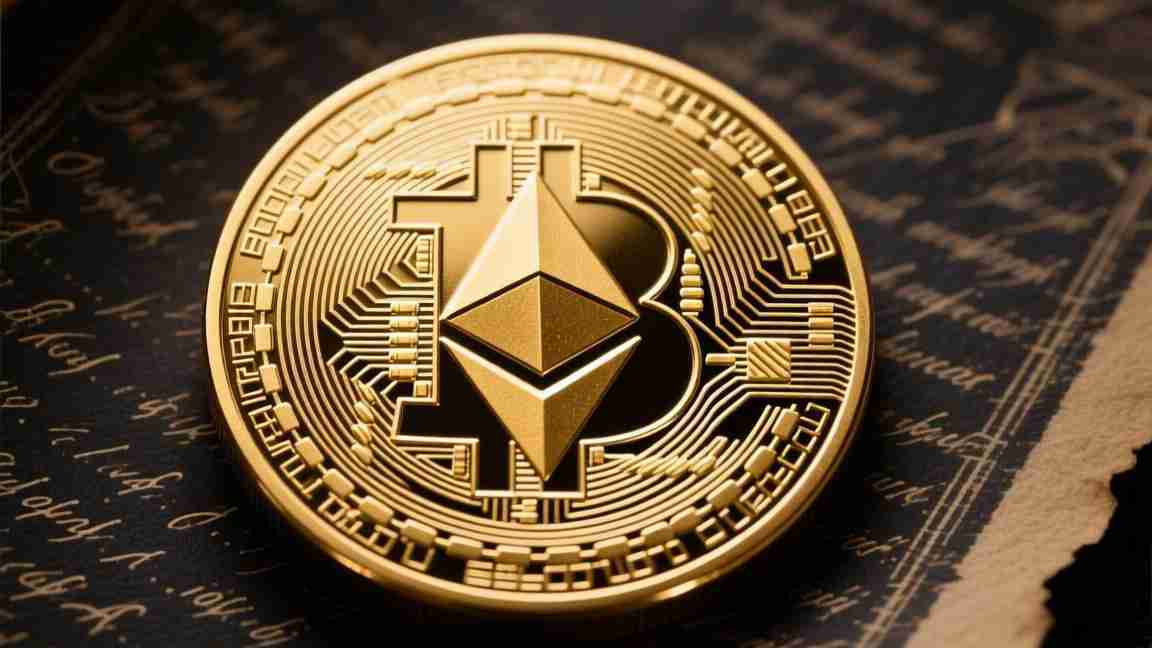
What is BTC in English? A Clear Explanation of Bitcoin
In the world of digital finance, "BTC" is a term frequently encountered, especially in discussions about cryptocurrencies. For those new to the space, a common question arises: What is BTC in English? Simply put, BTC is the three-letter ticker symbol or abbreviation for Bitcoin, the world’s first and most well-known cryptocurrency. To fully grasp its meaning, it helps to explore both the term itself and the asset it represents.
What Does "BTC" Stand For?
The abbreviation "BTC" is derived from the name "Bitcoin." In financial markets, ticker symbols are short, unique codes used to identify assets—such as "AAPL" for Apple Inc. stocks or "GOOGL" for Alphabet Inc. Similarly, "BTC" serves as the universal symbol for Bitcoin across exchanges, wallets, and financial media. It is widely recognized in both casual and professional contexts, making it the standard shorthand for referring to Bitcoin in English-speaking (and global) markets.
Understanding Bitcoin: The Asset Behind "BTC"
While "BTC" is just a symbol, it represents a groundbreaking innovation in finance: Bitcoin, a decentralized digital currency created in 2009 by an anonymous person or group using the pseudonym "Satoshi Nakamoto." Unlike traditional currencies (such as the US dollar or euro), Bitcoin is not issued or controlled by any central bank or government. Instead, it operates on a technology called the blockchain, a distributed ledger that records all transactions across a network of computers.
Key features of Bitcoin (and thus "BTC") include:
- Decentralization: No single entity controls Bitcoin. Transactions are verified by a network of "nodes" (computers) and "miners" (who solve complex mathematical problems to add new blocks to the blockchain).
- Limited Supply: There will only ever be 21 million bitcoins created, a scarcity designed to prevent inflation and mimic the finite nature of assets like gold.
- Pseudonymity: While transactions are recorded on the public blockchain, users are identified by cryptographic addresses rather than personal information, offering a degree of privacy.
- Global Accessibility: Bitcoin can be sent and received anywhere in the world with an internet connection, bypassing traditional banking systems and reducing cross-border transaction fees.
How Is "BTC" Used in Practice?
In everyday and financial contexts, "BTC" is used in various ways:
- Trading and Investing: On cryptocurrency exchanges (e.g., Coinbase, Binance), Bitcoin is traded under the ticker "BTC." For example, a user might say, "I bought 0.5 BTC today" or "The price of BTC just hit a new high."
- Transactions: When sending or receiving Bitcoin, users often refer to the amount in "BTC." For instance, "Can you send me 0.1 BTC for that payment?"